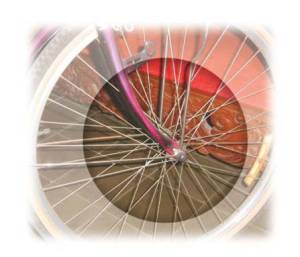
Pesawat adalah alat yang digunakan untuk mempermudah usaha manusia. Pesawat terbagi menjadi dua, yaitu pesawat sederhana dan pesawat rumit.
Newton's Law
Newton's laws of motion are three physical laws that together laid the foundation for classical mechanics. They describe the relationship between a body and the forces acting upon it, and its motion in response to said forces. They have been expressed in several different ways over nearly three centuries.
excretory system
The excretory system is a passive biological system that removes excess, unnecessary materials from an organism, so as to help maintain homeostasis within the organism and prevent damage to the body. It is responsible for the elimination of the waste products of metabolism as well as other liquid and gaseous wastes, as urine and as a component of sweat and exhalation.
OPTIC (EYE)
Optical instruments are the tools that one or more components using optical objects, such as mirrors, lenses, or prisms. Optical devices utilizing the principles of reflection and refraction of light or. There are several optical devices include a camera, magnifying glass, microscope, telescope, projector, and bishop.
Global Warming
Pemanasan Global (Global Warming) merupakan pemanasan global mungkin saat ini sudah tidak asing lagi di telinga kita. Karena kita bisa merasakan setiap harinya bahkan kita juga melakukan tindakan yang dapat memicu pemanasan global. Global warm atau pemanasan global adalah naiknya suhu udara bumi karena meningkatnya efek Gas Rumah Kaca (GRK).
Optical instruments are the tools that one or more components using optical objects, such as mirrors, lenses, or prisms. Optical devices utilizing the principles of reflection and refraction of light or. There are several optical devices include a camera, magnifying glass, microscope, telescope, projector, and bishop.
Eye sections
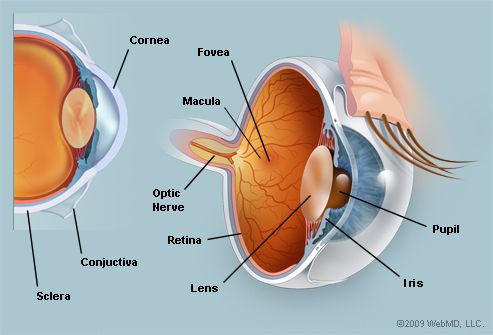
The Cornea
The cornea is a transparent dome-shaped tissue that forms the front part of your eye. It functions as a window and allows light to enter your eye. It also begins the process of focusing light rays that allow you to see words and images clearly.
The cornea does not contain any blood vessels, but instead contains nerve endings that make it extremely sensitive. That is why a scratch or a loose eyelash is so painful.
Aqueous Humor
Aqueous humor is a clear, watery fluid contained in a chamber behind the cornea that helps bring nutrients to the ocular tissue. It is made behind the lens and flows to the front of the eye, where it is drained by a tissue called the trabecular meshwork. Problems with the flow of this fluid can lead to problems with the pressure inside the eye.
The Sclera
The sclera is a tough white outer coating of fibrous tissue that covers your entire eyeball (all the way around) except for the cornea. The muscles that move the eye are attached to the sclera. The name sclera comes from the Greek word "skleros," which means "hard."
The Iris and the Pupil
The iris is a tissue inside the eye that has a hole in the center called the pupil. The iris contains muscles that allow the pupil to become larger (open up or dilate) and smaller (close up or constrict). The iris regulates the amount of light that enters your eye by adjusting the size of the pupil opening.
In bright light, the iris closes (or constricts) and makes the pupil opening smaller to restrict the amount of light that enters your eye.
In dim light, the iris opens (or dilates) and makes the pupil opening larger to increase the amount of light that enters your eye:
In addition, it is the iris that determines your eye color. People with brown eyes have heavily pigmented irises, while people with blue or lighter-colored eyes have irises with less pigment.
Therefore, people with lighter-colored eyes should wear sunglasses outdoors, especially during the summer. According toPrevent Blindness America, extended exposure to ultraviolet (UV) light (such as sunlight) has been linked with cataractsand macular degeneration.
The Lens
The lens is composed of transparent, flexible tissue and is located directly behind the iris and the pupil. It is the second part of your eye, after the cornea, that helps to focus light and images on your retina.
Because the lens is flexible and elastic, it can change its curved shape to focus on objects and people that are either nearby or at a distance.
The ciliary muscles, which are part of the ciliary body, are attached to the lens and contract or release to change the lens shape and curvature.
The lens becomes more rounded to focus on near objects (see Fig. 1):
More elongated (or stretched) to focus on objects that are far away (see Fig. 2):
More elongated lens can focus on far objects
Over time, the lens loses some of its elasticity and therefore loses some of its ability to focus on near objects. This is called "presbyopia" and explains why people need reading glasses as they become older.
The Choroid
The choroid is a dark brown membrane that is rich with blood vessels, located between the sclera and the retina. It supplies blood and nutrients to the retina and nourishes all of the other structures within the eye.
The Vitreous
The vitreous is the jelly-like substance that fills the inside of the back part of the eye. Over time, the vitreous becomes more liquid and can detach from the back part of the eye, which can create "floaters." If you notice new floaters or flashing lights, it is important to see an eye doctor, because a detached vitreous can cause a hole (a condition called a "macular hole") to develop in the retina.
The Retina and Optic Nerve
The retina is the light-sensitive tissue that lines the inside surface of the eye, much like wallpaper. Cells in the retina convert incoming light into electrical impulses. These electrical impulses are carried by the optic nerve (which resembles your television cable) to the brain, which finally interprets them as visual images.
The macula is the small sensitive area in the center of the retina that provides clear central vision. The fovea is located in the center of the macula and provides the sharpest detail vision.
The image formation on the retina
Simply as a tool optics of the eye forms a real image, inverted, and reduced in the retina. Focusing is done by changing the focal distance of the lens. Objects will be apparent if the proper shadow falls on the surface of the retina. The stages of the formation of the eye shadows are as follows :
light entering the eye through the pupil hole, the first light penetrates the cornea, aqueous humor, lens, and viterus humor so that the light falling directly on the retina. Then the retina to form nerve impulses transmitted to the brain II, and then to the brain to be interpreted as vision.
Light entering the eye is focused by the lens of the eye to the back of the eye called the retina. Shape shadows falling objects on the retina as if recorded and transmitted to the brain via the optic nerve. The shadow is what up to the brain and gives the impression to the eye to see objects. Thus, the eye can see objects clearly if the image object ( real image ) is formed precisely on the retina.
A calorie is actually a unit of heatenergy. We think of calories as just things that are in food and all foods have calories. But your body sees calories as energy and it's energy to produce heat. And heat energy is what really fuels our body just the same way that gasoline is what fuels your car's energy.
Now all foods have calories and different foods have different amounts of calories. Calories are provided by fat, carbohydrate, and protein. Fats have the highest concentration of calories. That's nine calories per gram of pure fat. Protein and carbohydrates each have four calories per gram of pure protein or pure carbohydrate. Alcohol, pure alcohol, has seven calories per gram. So understanding the role of calories in your diet can help you balance your calories in with your calories out, and help you achieve weight management goals.
We can find the calories in foods by looking at the calorie label or the nutrition facts panel on packages of processed foods. They will all have the number of calories per serving and the portion size per serving. And using these tools, we can help ourself estimate how many calories we're taking in per day and help us achieve ourweight lossgoals.
Calories are units of energy, contained within food, and used by the human body to maintain daily health and life. Calories are associated with energy that is contained in protein, carbohydrates and fat. Within each of these measures, calories will have a given amount of energy available. Different foods will provide different amounts of calories. In addition to this, the other nutrients needed for the human body will also differ according to the foods being eaten.
The human body will burn calories in order to remain healthy and balanced. This is by the metabolism moving calories through our body. Our metabolism may also turn calories into proteins or amino acids if the body needs it. These calories then move into the bloodstream and turn into cells or become stored energy. The energy our body needs in order to stay healthy and alive is directly related to the number of calories you intake (eat). The inverse is also true, toomanycalories consumed can lead to weight problems and poor health.
We can determine how many calories we need through a variety of factors. Every individual will differ depending on what their body needs to stay balanced. There are several ways that we can find out how many calories we need each day. This can also help in determining the types of foods that we need to eat. These can then be balanced with the nutrients that our body needs, such as vitamins and minerals. These can provide an extra boost for our energy burning needs.
For high-energy activities, our body can burntwicethe number of calories (or more) than what is needed at rest. Intensive activities will require more calories, while sedentary activities will require less. Please keep this in mind. Most people buy far fewer calories then they really need and utterly fail to take into account any intense activity where calories will be burned much faster.
TheRecommended Dietary Allowance(RDA) isnota measure of calories. The RDA is the recommendation of essential vitamins and minerals. The RDA is defined as "the average daily dietary intake level that is sufficient to meet the nutrient requirements of nearly all (approximately 98 percent) healthy individuals". This amount will vary however, according to your age and level of activity.
Many so-calledfood storage plansare significantlylackingon the number of calories required in order for you to stay healthy. This means that we would actually eat the food contained within the plan considerablyfasterthen it was claimed to last. This also means that these plans are not the 'good deal' that they appeared to be. We have found that many will not last 1/4 of the time they are advertised.
Insufficient calorie intake can lead to poor nutrition, low energy levels, and poor health. These can dramatically impair our ability to fight off disease, infection, perform work or even walk to a safe area.
Competition for food will be one of the most misunderstood 'events' of all. History shows that food is the #1 priority for all civilizations and society. We take this for granted at our own peril. Food is the dividing line between comfort and safety and all-out chaos.
A calorie is a measure of energy, just as a volt is a measure of electricity, a pound is a measure of weight and a mile is a measure of distance. Technically a calorie indicateshow much energy it takes to change the temperature of 1 gram of water by 1 degree Celsius. This would make more sense if the body was made of ice, but none the less this is what a calorie means.
The body needs energy (“calories”) to do anything. Just how much depends on many factors including what you do during a day (sleep all day, exercising, whatever). The average adult male needs between 2,000 and 3,000 calories a day. So if he eats this amount of energy a day he would neither gain nor lose weight. He would be consuming as much he uses. Of course the amount of calories needed per day varies from person to person and day to day.
The amount your body needs is the total amount of energy required for your heart to pump, your lungs to fill with air, your body to keep warm, your hair to grow, your stomach to digest food and all those things you generally don’t think about in a day. This is known as thebasal metabolic rate. This is what your body would need regardless of what activities you do. Generally speaking the larger you are the higher your basal metabolic rate. Think about it: a 100 pound woman needs less energy to breath and pump her heart than a 300 pound man. This is no different than the amount of fuel a Mazda Miata needs to drive around town compared with an army tank.
The basal metabolic rate is usually pretty static, that is to say, it doesn’t change. If your body needs 1,000 calories of energy a day for your basal rate then it will need the same amount tomorrow and the day after that. It is also important to note that everybody’s basal metabolic rate is different.
The small calorie or gram calorie (symbol: cal) is the approximate amount of energy needed to raise the temperature of one gram of water by one degree Celcius. The large calorie, kilogram calorie, dietary calorie, nutritionist's calorieorfoodcalorie (symbol: Cal, equiv: kcal) is the amount of energy needed to raise the temperature of one kilogram of water by one degree Celsius. The large calorie is thus equal to 1000 small calories or one kilocalorie (symbol: kcal).
Although these units are part of the metric system, they now have been superseded in the International Syeste of Units by the joule. One small calorie is approximately 4.2 joules (one large calorie or kilocalorie is therefore approximately 4.2 kilojoules). The factors used to convert calories to joules are numerically equivalent to expressions of the specific heat capacity of water in joules per gram or per kilogram. The conversion factor depends on the definition adopted.
In spite of its non-official status, the large calorie is still widely used as a unit of food energy in the US, UK and some other Western countries. The small calorie is also often used in chemistry as the method of measurement is fairly straightforward in most reactions, though the amounts involved are typically recorded in kilocalories, an equivalent unit to the large calorie.
The calorie was first defined by Nicolas Clement in 1824 as a unit of heat, and entered French and English dictionaries between 1841 and 1867. The word comes from Latin calor meaning "heat".
There are very scientific terms that define a calorie, but the precise definition is better replaced by a simpler standard for our discussion. A calorie is a unit of measure for energy, that our body uses for all of our vital process. You are constantly burning calories, even during sleep, although the rate at which calories are burned falls dramatically while at rest.
The rate at which calories are used is constantly changing to meet the energy requirements of our body. This varies from person to person and during the different stages of life. For this reason when we discuss how many calories we need on a daily basis, the numbers are approximate estimations.
Calories as a Measure of Food Energy
When we speak of calories in relation to a particular food, we actually mean the amount of energy that that food provides for our body to fuel its' metabolic processes. So weight control actually comes down to a process of energy. If we take in more energy than we use, the rest gets stored as fat. If we burn more energy than we consume, our body relies on our energy stores to make up the deficit.
How many Calories Do I Need to Maintain My Weight
The most accurate way of determining how many calories needed per day is based upon your basal metabolic rate. However, this calculation is quite complex and involves multiple steps. An easier way to estimate the number of calories you need is a day is as follows:
·For sedentary people: Weight x 14 = estimated cal/day
·For people who are moderately active: Weight x 17 = estimated cal/day
·For active people: Weight x 20 = estimated cal/day
Between 20 and 50 percent of your body's energy requirements are determined by your activity level. The rest of the body's energy use is devoted to vital processes such as breathing, heartbeat, digestion, and cell processes.
Bear in mind that these numbers are estimations and your actual body processes may require more or fewer calories. Also, these numbers are the number of calories needed to maintain your present weight. These calculations do not take into account weight loss or weight gain.
Note: "Moderately Active" is defined as someone who has 3-4 aerobic sessions per week. "Active" is defined as someone who has 5-7 aerobic sessions.
How Many Calories Do I Need to Lose Weight?
To achieve a weight loss of 1 pound per week, you need to take the above number that you arrived at and subtract 500. This is the needed calorie deficit that will achieve a healthy, slow, and moderate weight loss, while fostering lifelong changes in eating habits. This calorie deficit can best be achieved by shaving 250 calories off of your food intake, and then engaging in physical activity to burn 250 calories. One of the easiest ways to eliminate calories in the diet is to eat slightly smaller serving sizes.
Calculation of calorific value of food
To calculate the caloric value of food required several instruments, among others:
a.Caloric value of foods:
·1 gram of carbohydrates can produce 4 calories
·1 gram of fat produces 9 calories
·1 gram of protein produces 4 calories
b.Composition list of groceries (DKBM)
DKBM a table (Appendix 2), which contains a variety of foods and their nutritional content. Readable content of nutrients in the womb every DKBM is 100 gram of food.To determine the number of calories consumed by a person using the formula:
MOTION PERFORMED BY LIVING THINGS In our daily life, there are many things that can included to
living things and nonliving things. The characteristics of living things are moving, feeding,
breathing or respiration, excretion, growth, and irritabilitation, Every day, every living
things such human, animal or plant always makes a motion. Motion is one form of
reaction to stimuli. Motion on different plants and animals because plants do
not have the special tools to move, while animals generally have tools.
Microorganisms move a certain way.
Motion
is a change in position of an object on the reference point.Reference point itself is
defined as the starting point or the point where the observer is there.Relative motion means the
motion of an object depends heavily on the reference point. Moving object can
be said to be moving, as an example when we walked by carrying a bag, the another
people around us say that we moved, butwhen we at the position of the bag, we will says that
its not moving.
A.The motion
in the plant
Plantone of the characteristics of living things are
moving. plants as living things are also moving. but the motion in plants can
not move freely, but plant can move because of stimuli from outside the body of the plant.
Etionom motion also called esionom motion. The stimulation can be touch, light,
chemicals, water, earth's gravity, and temperature.
Based
on the motion, etionom divided into three moving, namely tropism, taksis, and
nasti. Motion on plants that grow away from or
near the stimuli is called tropism. Positive tropism is when the direction of
motion toward the direction of the stimuli, and negative tropism is when the
direction of motion away from the direction of the stimuli.
Based on the stimuli that received
by the plant, it can be divided to several types, namely geotropism,
phototropism, hydrotropism, thigmotropism and chemotropism.
a)Geotropism
The another example of motion in plant is Roots grow’s that always grow
downward due to gravity stimulation. Geotropism is the movement of plant parts
towards the center of the earth because of the force of gravity stimulation. Because
the root motion stimuli caused by gravity (gravity) and the direction of motion
toward the direction of the stimulus, then grow roots movement called positive
geotropism. Instead of other plant organ motion away from the center of the
earth is called negative geotropism.
Cholodny theory on geotropisme filed alleged that auxin is moved from
the upper parts of the rod when the rod go to a part under altered from a
vertical position to a horizontal position. Most geotropisme directed at the
root. At first that the admission of gravity is the root cap.Lentils (lens) to respond to gravity when the
shoots are cut the roots, until the root meristem and root cap is formed again.
When the maize root cap or other species removed using surgical techniques
inhibit root growth, gravitropik response does not occur until the same hood or
other hood replaced or a new hood grow back. As with other living creatures,
plants also did motion. But plants do not like motion on other living creatures
in the form of displacement. Higher plants only move on the part of certain
parts of the body, such as crooked stems, branches and roots, folded leaves.
Broadly speaking, the motion is divided into Autonomic motion or the motion
Endonom which occurs spontaneously without stimulation and Etionom motion due
to the stimulation.
The example of geotropisme is flowers grow on peanuts. At the time of
blooming flowers, its movement away from the center of the earth, including the
negative geotropisme. But after fertilization, flower motion then down towards
the ground to the center of the earth and continue to grow into fruit peanuts.
Thus, a change in motion flowers grow on peanuts. Before fertilization is
geotropisme negative and positive after conception is geotropisme. This rate of
growth is influenced by the role of growth hormone.
Talk about gravity, we would not be separated with Newton's law of
universal gravitation which says that all particles in the world attracts all
other particles with force proportional to the product of the mass of the
particles and inversely proportional to the square of the distance between
them. This style works along the line connecting the two particles.
b)Fototropisme
Phototropismis the growth of organisms in response to light.
The growth or movement of a plant part in response to a source of light. The
cells on the plant that are farthest from the light have a chemical calledauxinthat reacts when phototropism occurs. This causes
the plant to have elongated cells on the farthest side from the light. Phototropism
is one of the many planttropismsor movements which respond to external stimuli.
Growth towards a light source is called positive phototropism, while growth
away from light is called negative phototropism. Most plant shoots exhibit
positive phototropism, and rearrange their chloroplasts in the leaves to
maximize photosynthetic energy and promote growth.In plants, the parts sensitive to stimulation is the
tip of the shoot. When the motion leading to the source of stimulation is
called positive phototropism, such as shoot tips growing movement toward the
light.
c)Hydrotropism
Hydrotropism is a plant's growth response in which the
direction of growth is determined by a stimulus or gradient in water
concentration. A common example is a plant root growing in humid air bending
toward a higher relative humidity level.
Usually the roots grow straight downward to obtain water from the soil.
However, if in this direction there is not enough water, the roots will grow
quite veering towards the water. Thus, the direction of growth may not be in
the direction of gravity. Root motion of towards the source of water is called
positive hydrotropism.
d)Thigmotropism
Thigmotropism
is movement of plant parts due to the stimulation of the hand or touch
interface. This movement was evident in the motion of the rod tip or the tip
twisted tendrils of Cucurbitaceae and Passiflora. Example: plants that climb
upward are peas, grapes, passion fruit, watermelon, and cucumber.
e)Chemotropism
In chemotropism, the stimuli is chemicals. The growing
plant that can did moving causes by chemical. For example, the growth of reed
pollen movement toward ovaries when fertilization takes place.
B.The motion
in the human and animal
In the nature,
every living things performs a variety of motion. When a human or animal want
to leave to go somewhere then it will move either by walking or running. To
reach a certain distance it is take a certain time, so we can calculate the
speed of the motion. Average speed is
the total distance traveled divided by the total time of travel. The formula
of average speed is
.
In living things, not only about the transfer of
motion from one point to another, but more than that movement in living
organisms are also members of a whole body motion of either or partly carried
by the living body, as practiced by plants and living creatures low level.
Motion in a living organism is defined as a change in body position either by
the whole body or a living body part, so that a sense of motion as has been
said before we can use to determine the motion of living beings. Motion in
living things are divided into two, namely: passive motion and active motion.
Passive movement is a movement that is done by most of the living body as that
of the plant body. While active motion is the motion carried by almost all
living things as done by animals and humans. Motion carried by the active
muscles, whereas passive movement brought about by bone. Locomotor muscles
active in animals and humans have three types based on the structure and
workings of each muscle, whereas bone is divided into two types based on a
structure consisting either. Muscle in animals and humans is built from the
muscle tissue, the general public better known as muscle or tendon meat. While
bone is a connective tissue that is built from bone cells, plays an important
role in the process of blood formation.
Pemanasan Global (Global Warming) merupakan
pemanasan global mungkin saat ini sudah tidak asing lagi di telinga kita.
Karena kita bisa merasakan setiap harinya bahkan kita juga melakukan tindakan
yang dapat memicu pemanasan global. Global warm atau pemanasan global adalah
naiknya suhu udara bumi karena meningkatnya efek Gas Rumah Kaca (GRK).
Gas Rumah Kaca (GRK) bukanlah karena
kita banyak yang menggunakan rumah dari kaca, tetapi GRK adalah bahan atau zat
yang berupa gas yang dapat merusak lapisan ozon seperti CFC, CO2, gas metan,
N2O dan lain-lain. CFC di banyak dikeluarkan oleh tehnologi seperti penggunaan
AC (Air Conditioner) dalam skala besar seperti kulkas, AC rumah, mobil dan
lain-lain. Sumbangan untuk CFC terbesar dihasilkan di negara maju dan Eropa
Timur yaitu lebih dari 80 % konsumsi sedunia dan di udara dalam pemanasan
global CFC menumbangkan gas berkisar 30 %. Carbon dioksida (CO2) dihasilkan
oleh tehnologi seperti pabrik-pabrik industri, asap kendaraan bermotor atau
transpor. Sumbangan CO2 di udara sebesar
50 %. Metan dan N2O biasa pada industri serat sintetik, industri ini terbanyak
di negara-negara maju dan masing-masing gas pencemar tersebut masing-masing
menyumbangkan kadar pencemaran di atmosfer kurang dari 10 %. Walaupun sebenarnya
saat ini kita belum bisa terlepas dari kemajuan jaman dan tehnologi, karena
dari tahun-ketahun manusia memberikan sumbangan yang besar terhadap
perkembangan dan kemajuan suatu negara.
Pemanasan global (global warming)
pada dasarnya adalah fenomena peningkatan temperatur global dari tahun ke tahun
karena terjadinya efek rumah kaca (greenhouse effect) yang disebabkan oleh
meningkatnya emisi gas-gas seperti karbondioksida (CO2), metana (CH4),
dinitrooksida (N2O) dan CFC sehingga energi matahari terperangkap dalam
atmosfer bumi. Banyak studi mengenai iklim mulai mengetahui tentang kandungan
gas yang berada di atmosfer, yang disebut sebagai gas rumah kaca, yang bisa
mempengaruhi iklim di Bumi.
Gas rumah kaca adalah suatu efek,
dimana molekul-molekul yang ada di atmosfer kita bersifat seperti memberi efek
rumah kaca. Efek rumah kaca seharusnya merupakan efek yang alamiah untuk
menjaga temperatur permukaaan Bumi berada pada temperatur normal, sekitar 30°C,
jika tidak, tentu saja tidak akan ada kehidupan di muka Bumi ini. Sekitar
tahun 1820 Fourier menemukan bahwa atmosfer bumi sangat bisa diterobos
(permeable) oleh cahaya matahari yang masuk ke permukaan bumi, tetapi tidak
semua cahaya yang dipancarkan ke permukaan bumi itu bisa dipantulkan keluar,
radiasi merah-infra yang seharusnya terpantul terjebak, dengan demikian maka
atmosfer bumi menjebak panas (prinsip rumah kaca). Hal ini menyebabkan atmosfer
bumi menjadi lebih panas, karena atmosfer menyimpan lebih banyak uap air, dan
menyimpan lebih banyak panas.
Banyak hal yang dapat menyebabkan
terjadinya pemanasan global. Namun seperti kita ketahui, manusia-lah yang
menjadi penyebab utama terjadinya pemanasan global. Aktivitas manusia semenjak
1750 menyebabkan adanya pemanasan. Pemanasan ini terkait langsung dengan
gas-gas rumah kaca atau di sebut sebagai efek rumah kaca. Gas-gas rumah kaca
ini dihasilkan oleh peternakan, pembakaran bahan bakar fosil pada kendaraan
bermotor, pabrik-pabrik modern, peternakan, serta pembangkit tenaga listrik.
Kelompok gas yang menjaga suhu permukaan bumi agar tetap hangat dikenal dengan
istilah “gas rumah kaca”. Bumi memang membutuhkan gas-gas tesebut untuk menjaga
kehidupan di dalamnya. Tanpa keberadaan gas rumah kaca, bumi akan menjadi
terlalu dingin untuk ditinggali karena tidak adanya lapisan yang mengisolasi
panas matahari. Gas –gas yang menyebabkan pemanasan global yaitu Karbon
Dioksida (CO2), Metana (CH4) yang dihasilkan agrikultur dan peternakan,
Nitrogen Oksida (NO) dari pupuk, dan gas-gas yang digunakan untuk kulkas dan
pendingin ruangan (CFC).
Rusaknya hutan-hutan yang berfungsi
sebagai penyimpan CO2 juga makin memperparah keadaan ini karena pohon-pohon
yang mati akan melepaskan CO2 yang tersimpan di dalam jaringannya ke atmosfer.
Setiap gas rumah kaca memiliki efek pemanasan global yang berbeda beda. Dari
beberapa gas penghasil efek pemanasan tersebut, gas seperti chlorofluorocarbons
(CFC) adalah yang menghasilkan efek pemanasan hingga ribuan kali dari CO2.
Tetapi sekarang pemakaian CFC telah dilarang di banyak negara karena CFC telah
lama dituding sebagai penyebab rusaknya lapisan ozon. Sejak tahun 2001,
studi-studi mengenai dinamika iklim global menunjukkan bahwa paling tidak,
dunia telah mengalami pemanasan lebih dari 3°C semenjak jaman pra-industri.
Akhir-akhir ini di seluruh dunia
sektor industri mulai berkembanng dengan pesat. Hal ini juga membawa hal buruk
akibat polusi yang ditimbulkan,terutama polusi udara dari asap pabrik-pabrik
tersebut yang biasanya banyak mengandung CO2. Gas CO2 di atmosfer memang ada,
tapi dalam jumlah normal. Gas CO2 inilah yang menjaga suhu di bumi tatap
normal. Dengan adanya tambahan emisi gas CO2 dari asap pabrik menyebabkan
jumlah gas CO2 di atmosfer menjadi terlalu banyak sehingga dapat meningkatkan
suhu di permukaan bumi.
Setiap hari bumi selalu menerima
cahaya matahari. Cahaya matahahari yang diterima bumi tidak semuanya diserap
bumi tapi ada sebagian cahaya itu yang dipantulkan kembali ke angkasa. Karena
adanya gas CO2 yang terlalu banyak di atmosfer hal ini menyebebkan cahaya
matahari yang dipantulkan bumi dipantulkan kembali oleh gas CO2 kembali ke
bumi,sehingga seolah-olah cahaya itu terperangkap di bumi.
Akibat dari terperangkapnya cahaya
matahari tersebut di bumi menyebabkan terjadinya efek rumah kaca di bumi. Efek
rumah kaca inilah yang menyebabkan pemanasan global / global warming. Oleh
karena itu banyaknya emisi gas CO2 sangat berhubungan dengan efek rumah kaca.
Karena jika emisi gas CO2 di atmosfer hanya sedikit maka tidak mungkin terjadi
efek rumah kaca. Efek rumah kaca itulah yang menyebabkan global
warming.
Jumlah emisi gas CO2 sebenarnya
dapat dikurangi dengan penghijauan karena tumbuhan hijau dapat menyerap gas CO2
karena ia membutuhkan gas CO2 untuk membantu fotosintesis. Oleh karena
itu penghijauan sangat berguna dalam andil untuk mengurangi emisi gas CO2 di
atmosfer dan dapat mencegah terjadinya efek rumah kaca.
Suhu udara di bumi terasa semakin
panas. Biasanya orang bilang kalau udara yang terasa panas ini bertanda bahwa
akan turun hujan. Namun sekarang cuaca itu sudah sangat sulit untuk diprediksi.
Cuaca seperti ini diakibatkan karena adanya Efek Rumah Kaca. Rumah Kaca ini
adalah sebuah efek yang ditimbulkan oleh akumulasi dari gas karbondioksida
(CO2). Karena terlalu banyak gas karbon ini lah yang nantinya akan
mengakibatkan panas matahari yang masuk ke bumi tidak bisa dipantulkan keluar.
Ini dapat kita ibaratkan ketika berada di dalam rumah kaca.
Sebenarnya gas karbondioksida ini
sangatlah dibutuhkan oleh tumbuhan untuk melakukan sebuah reaksi fotosintesis
dalam pembentukan cadangan makanan yang dilakukan oleh tumbuhan. Namun karena
tumbuhan yang ada sekarang sudah mulai berkurang keberadaanya maka gas-gas yang
berbahaya itu tidak dapat di serap semua oleh tumbuhan yang ada dibumi
ini.
Gas-gas penyebab efek rumah kaca ini
ditimbulkan oleh gas-gas sisa pembakaran dari kendaraaan bermotor, asap-asap
pabrik, asap pembakaran sampah, dll. hal yang dapat ditimbulkan dari terjadinya
global warming ini adalah suhu bumi yang semakin meningkat, pencairan salju es
di daerah kutub, udara yang semakin buruk karena kelebihan karbon.
Efek rumah kaca Ini dapat kita
hentikan dengan cara mulai mengurangi penggunaan kendaraan bermotor, melakukan
penanaman hutan atau melakukan pembuatan taman kota, untuk mengurangi kadar
dari gas CO2 itu. Selain itu juga kita harus melakukan penghematan dalam
hal penggunaan listrik dan bahan bakar minyak. Karena dalam pembangkit listrik
itu juga akan menghasilkan gas karbon yang juga turut menyumbang terjadinya
global warming. Bahan bakar minyak juga dapat menghasilkan gas karbon karena
pada pembakaran sempurna bahan bakar minyak itu adalah menghasilkan
karbondioksida.
Asap
yang dihasilkan oleh pabrik industri.
Dengan adanya penambahan gas pencemar di
udara dari waktu ke waktu maka sudah barang tentu akan terjadi dampak terhadap
makhluk hidup dan kondisi bumi. Dampak tersebut dapat dirasakan secara langsung
maupun tidak langsung. Dampak secara langsung dapat dirasakan dalam waktu yang
cepat, sedangkan dampak tidak langsung dapat dirasakan dalam waktu yang lama
yaitu jangka waktu bertahun-tahun bahkan berabad-abad kemudian. Dampak dibumi
terjadi di daratan, di lautan maupun di udara. Dampak yang terjadi terhadap
makhluk hidup antara lain dengan menyesuaikan diri terhadap lingkungannya atau
mati karena tidak bisa beradaptasi dengan perubahan lingkungan yang terjadi.
Sekarang ini kita bisa merasakan melalui
tanda-tanda yang pemanasan global. Pada
skala geologik perubahan meningkatnya suhu udara sangat drastis yaitu
bertambahnya kondisi panas yang cukup tinggi. Saat ini kita bisa merasakan
bagaimana suhu udara di siang hari terasa menyengat walaupun kita sudah berada
di dalam rumah atau di suatu gedung. Radiasi panas matahari juga terasa sampai
pada lingkungan kita yang kemudian berdampak pada banyak tumbuh-tumbuhan yang
mati karena saking panasnya suhu udara. Selain itu kadar O2 diudara juga akan
berkurang drastis, sehingga banyak makhluk hidp yang sukar untuk bernafas
bahkan seandainya masih dapat bernafas maka yang dihirup adalah udara tercemar.
Dampak
pemanasan global yang lain yaitu naiknya permukaan laut. Dengan naiknya
permukaan air laut juga akan menyebabkan kepunahan jenis makhlk hidup di daerah
pantai dan sekitarnya. Dan bisa diperkirakan daratan akan bisa ditenggelamkan
oleh lautan sehingga luas daratan akan berkurang.
Pencemaran
udara adalah masuknya makhluk hidup, zat, energi, dan/atau komponen lain ke
udara oleh kegiatan manusia atau proses alam sehingga terjadi penurunan
kualitas udara sampai tingkat tertentu yang menyebabkan udara menjadi kurang
atau tidak berfungsi sesuai dengan peruntukannya.
Jenis-Jenis
Pencemaran Udara Jumlah polutan yang dikeluarkan ke udara dalam satuan waktu
dinamakan emisi. Emisi dapat disebabkan oleh biogenic emissions (proses alam),
misalnya, CH4 hasil aktivitas penguraian bahan organik oleh mikroba, dan
anthropogenic amissions (kegiatan manusia), misalnya, asap kendaraan bermotor,
asap pabrik, dan sisa pembakaran. Beberapa jenis polutan pencemar udara, antara
lain, sebagai berikut.
a.Karbon
Monoksida (CO)
Karbon monoksida (CO)
merupakan gas pencemar udara yang
beracun dan berbahaya bagi tubuh. Gas ini dapat berikatan dengan
hemoglobin dalam tubuh sehingga pengikatan oksigen oleh darah menjadi
terganggu. Keadaan ini dapat menimbulkan sakit kepala (pusing), mual-mual,
mata berkunang-kunang, dan lemas. Dalam kadar tinggi dapat
menyebabkan kematian.
b.Karbon
Dioksida (CO2)
CO2 diperlukan oleh
tumbuhan dalam proses fotosintesis, tetapi jika jumlah CO2 di udara terlalu banyak,
CO2 tersebut akan naik ke atmosfer dan menghalangi pemancaran panas dari bumi
sehingga panas dipantulkan kembali ke bumi. Akibatnya, bumi menjadi sangat
panas. Peristiwa ini disebut efek rumah kaca (pemanasan global). Pemanasan
global ini dapat mengakibatkan bahaya kekeringan yang hebat yang mengganggu
kehidupan manusia dan mencairnya lapisan es di daerah kutub. Gas karbon
dioksida ini berasal dari asap pabrik, pembakaran sampah, kebakaran hutan, dan
asap kendaraan bermotor. Selain itu, efek rumah kaca juga dipicu oleh hasil
pembakaran fosil (batu bara dan minyak bumi) yang berupa hasil buangan bentuk
CO2 dan sulfur belerang.
c.Hidrokarbon
(HC) dan Nitrogen Oksida (NO)
HC dan NO yang
dipengaruhi oleh sinar matahari akan membentuk smog yang berupa gas yang sangat
pedih jika mengenai mata dan juga sebagai penyebab penyakit kanker.
d.Sulfur
Oksigen (SO)
SO yang bereaksi dengan
uap air di udara dapat menyebabkan
hujan asam. Asam bersama air hujan akan jatuh ke bumi sebagai hujan asam yang
dapat mengakibatkan kerusakan atau kematian hewan dan tumbuhan serta dapat
merusak bangunan, khususnya yang terbuat dari kayu dan besi (memicu terjadinya
perkaratan). Selain itu, SO juga dapat mengakibatkan penyempitan saluran pernapasan
yang menyebabkan batuk, gangguan pernapasan, dan bronkitis.
e.Chloroflourocarbon
(CFC)
Gas CFC merupakan gas
yang sukar terurai sehingga sulit
dihilangkan dari udara. Gas ini tidak berwarna, tidak berbau, dan tidak beracun.
Gas ini banyak digunakan sebagai bahan pengembang busa, pendingin (lemari es
dan AC), serta bahan penyemprot (hair spray dan parfum). Di lapisan atas
atmosfer, gas ini bereaksi dengan ozon-lapisan ozon adalah lapisan yang
melindungi bumi dari sinar ultraviolet. Reaksi antara CFC dan ozon akan
membentuk lubang ozon. Dari lubang ini, sinar ultraviolet akan menembus bumi.
Sinar ultraviolet ini dapat menyebabkan penyakit kanker kulit, berkurangnya
kekebalan tubuh, dan matinya algae yang dapat merusak ekosistem laut.
Telah disebutkan di atas bahwa
pencemaran udara dapat menimbulkan berbagai macam permasalahan, mulai dari
masalah kesehatan sampai perubahan iklim global. Pencemaran udara tidak dapat
dihilangkan sama sekali, tetapi hanya dapat dikurangi atau dikendalikan. Manusia
dapat mengakibatkan pencemaran udara, tetapi juga dapat berperan dalam
pengendalian pencemaran udara ini. Pencemaran udara ini dapat menyebabkan
gangguan kesehatan, harta benda, ekosistem, dan iklim.
Beberapa penyakit yang disebabkan
oleh pencemaran lingkungan adalah bronkitis dan emphysema. Adanya hujan asam
yang bersifat korosif dapat menyebabkan kerugian harta benda karena berkaratnya
benda-benda dari besi yang kontak dengannya. Hujan asam menyebabkan perubahan
pH air dan tanah. Keadaan ini berpengaruh pada keseimbangan ekosistem. Gas-gas
rumah kaca (CO2, CFCs, dan N2O) dapat menyerap radiasi inframerah dan
menghangatkan udara di permukaan. Peningkatan temperatur di bumi menyebabkan
gunung-gunung es mencair yang mengakibatkan perubahan iklim global. Selain itu,
CFCs juga dapat menyebabkan kerusakan lapisan ozon. Kebocoran ozon sangat
berbahaya bagi kehidupan manusia karena dari lubang ozon tersebut, sinar
ultraviolet dapat masuk menembus ke bumi. Radiasi sinar UV ini dapat
menyebabkan kerusakan materi genetik DNA dan kanker.
Pemanasan Global berdampak
langsung pada terus mencairnya es di daerah kutub utara dan kutub selatan. Es
di Greenland yang telah mencair hampir mencapai 19 juta ton! Dan volume es di
Artik pada musim panas 2007 hanya tinggal setengah dari yang ada 4 tahun
sebelumnya! Mencairnya es saat ini berjalan jauh lebih cepat dari model-model
prediksi yang pernah diciptakan oleh para ilmuwan. Beberapa prediksi awal yang
pernah dibuat sebelumnya memperkirakan bahwa seluruh es di kutub akan lenyap
pada tahun 2040 sampai 2100. Tetapi data es tahunan yang tercatat hingga tahun
2007 membuat mereka berpikir ulang mengenai model prediksi yang telah dibuat
sebelumnya.
Baru-baru ini sebuah fenomena alam
kembali menunjukkan betapa seriusnya kondisi ini. Pada tanggal 6 Maret 2008,
sebuah bongkahan es seluas 414 kilometer persegi di Antartika runtuh. Menurut peneliti,
bongkahan es berbentuk lempengan yang sangat besar itu mengambang permanen di
sekitar 1.609 kilometer selatan Amerika Selatan, barat daya Semenanjung
Antartika. Padahal, diyakini bongkahan es itu berada di sana sejak 1.500 tahun
lalu. “Ini akibat pemanasan global,” ujar ketua peneliti NSIDC Ted Scambos.
Menurutnya, lempengan es yang disebut Wilkins Ice Shelf itu sangat jarang
runtuh.
Sekarang, setelah adanya perpecahan
itu, bongkahan es yang tersisa tinggal 12.950 kilometer persegi, ditambah 5,6
kilometer potongan es yang berdekatan dan menghubungkan dua pulau. “Sedikit
lagi, bongkahan es terakhir ini bisa turut amblas. Dan, separo total area es
bakal hilang dalam beberapa tahun mendatang,” ujar Scambos. “Beberapa kejadian akhir-akhir ini merupakan
titik yang memicu dalam perubahan sistem,” ujar Sarah Das, peneliti dari
Institut Kelautan Wood Hole. Perubahan di Antartika sangat kompleks dan lebih
terisolasi dari seluruh bagian dunia. Antartika di Kutub Selatan adalah daratan
benua dengan wilayah pegunungan dan danau berselimut es yang dikelilingi
lautan. Benua ini jauh lebih dingin daripada Artik, sehingga lapisan es di sana
sangat jarang meleleh, bahkan ada lapisan yang tidak pernah mencair dalam
sejarah. Temperatur rata-ratanya minus 49 derajat Celsius, tapi pernah mencapai
hampir minus 90 derajat celsius pada Juli 1983. Tak heran jika fenomena
mencairnya es di benua yang mengandung hampir 90 persen es di seluruh dunia itu
mendapat perhatian serius peneliti.
Pemanasan global sudah kita alami
saat ini. Udara panas pun sudah kita rasakan setiap harinya. Perubahan
iklim yang terjadi telah merubah pola musim panas menjadi semakin panjang,
semakin panas dan kering.
Global warming atau pemanasan global
merupakan suatu masalah besar yang terjadi di bumi ini. Global warming adalah
proses meningkatnya suhu rata – rata bumi. Hal ini disebabkan karena menipisnya
lapisan ozon yang menyebabkan mudah masuknya panas.
Dari kejadian ini pastilah ada
penyebab yang menyebabkan terjadinya pemanasan global. Penyebab utama
terjadinya global warming yaitu efek rumah kaca, yaitu terperangkapnya
udara panas dari radiasi matahari yang tertahan oleh akumulasi lapisan Gas
Rumah Kaca (terdiri dari CO2, metana, N2O), yang seharusnya
dipantulkan/dipancarkan kembali ke ruang angkasa. Penggunaan gas karbon
dioksida, metana dan gas monoksida yang berlebihan, asap rokok, asap kendaraan
bermotor, penggundulan hutan, dimana fungsi hutan sendiri adalah mengikat
karbondioksida dan menghasilkan oksigen.
Pertambahan penduduk juga yang
menyebabkan pemakaian oksigen bertambah dan semakin bertambah pula gas CO2 dan
CO yang dikeluarkan dan penggunaan alat – alat kebutuhan rumah tangga yang
mengandung CFC. Asap – asap yang dihasilkan pabrik – pabrik dari proses
industri pun menjadi salah satu penyebab terjadinya pemanasan global. Dari
sebab – sebab tersebut dapat dikatakan bahwa manusia lah yang menjadi penyebab
utama terjadinya pemanasan global. Karena semua aktivitas manusia itulah
menyebabkan adanya pemanasan.
Asap buangan pabrik sendiri
mengandung racun yang dapat membahayakan manusia dan lingkungannya. Banyaknya
gas CO2 yang dihasilkan dari aktivitas industri itu selain menjadi penyebab
pemanasan global juga berdampak mempengaruhi kesehatan seperti menimbulkan
gangguan pernafasan dan menurunkan daya pikir seseorang. Sumber utama dalam
peningkatan karbondioksida itu sendiri adalah penggunaan bahan bakar fosil pada
proses – proses industri.
Indonesia
juga disebut – sebut sebagai negara yang paling berperan terjadinya pemanasan
global, pasalnya Indonesia merupakan negara yang kaya akan hutan namun dewasa
ini banyak terjadi kebakaran hutan sehingga Indonesia disebut sebagai
penyumbang terbesar gas C02, Indonesia juga merupakan surganya para perokok
yang mana asap rokok menjadi penyebab pemanasan global. Dimana – mana kita
berada pasti banyak sekali orang yang merokok meskipun sudah ada larangan untuk
tidak merokok.
Dengan meningkatnya suhu global juga
dapat berdampak dan menyebabkan perubahan – perubahan seperti mencairnya
es di kutub sehingga merusak ekosistem dan juga menyebabkan naiknya permukaan
air laut, panas bumi yang meningkat juga dapat menyebabkan terjadinya kebakaran
hutan, dan kekeringan. Pemanasan laut merusak terumbu karang yang merupakan
penghasilan terbesar dari tiap - tiap negara, naiknya temperatur iklim,
penyakit tropis menyebar ke daerah yang sebelumnya tidak pernah dijangkiti.
Belum lagi meningkatnya jumlah manusia yang terserang penyakit seperti kanker
kulit, kolera dan sebagainya yang belakangan ini semakin mewabah, dan mencakup
daerah yang semakin luas. Indonesia sendiri telah kehilangan 26 pulau yang
tenggelam yang merupakan akibat dari pemanasan global.
Akibat tersebut di atas merupakan
sedikit dari akibat buruk yang telah kita rasakan masyarakat dunia. Dan hal
seperti itu harus kita cari jalan keluar untuk mengatasinya. Walaupun pemanasan
global ini tidak dapat dicegah, namun setidaknya masih dapat diperlambat.
Saat ini Pemanasan Global dianggap
sebagai bahaya besar yang harus segera diatasi secara bersama, dimana setiap
negara dan setiap pemerintah harus bekerja sama dan segera mempromosikan
kesadaran lingkungan kepada warganegara mereka. Karena dalam mengatasi pemansan
global ini tidak bisa kita lakukan sendiri melainkan perlu diatasi bersama
seluruh warga dunia tanpa mementingkan diri sendiri.
Tidak cukup dengan mengucapkan
kalimat ‘stop global warming’ saja, melainkan harus ada tindakan yang jelas dan
nyata. Kesadaran akan lingkungan sangat penting untuk menumbuhkan rasa cinta
kita terhadap lingkungan. Berawal dari diri kita sendiri, lingkungan disekitar
kita, dan lakukan mulai dari hal – hal yang kecil yang bisa kita lakukan
seperti menanam pohon di lingkungan sekitar tempat tinggal, mengurangi
pemakaian plastik dan barang – barang yang mengandung gas penyebab pemanasan
global, memakai kendaraan umum yang berbahan bakar ramah lingkungan.
Untuk lebih jelasnya tentang keadaan bumi sekarang ini, mari simak video berikut
 RSS Feed
 Twitter


 09.34
09.34
 Unknown